
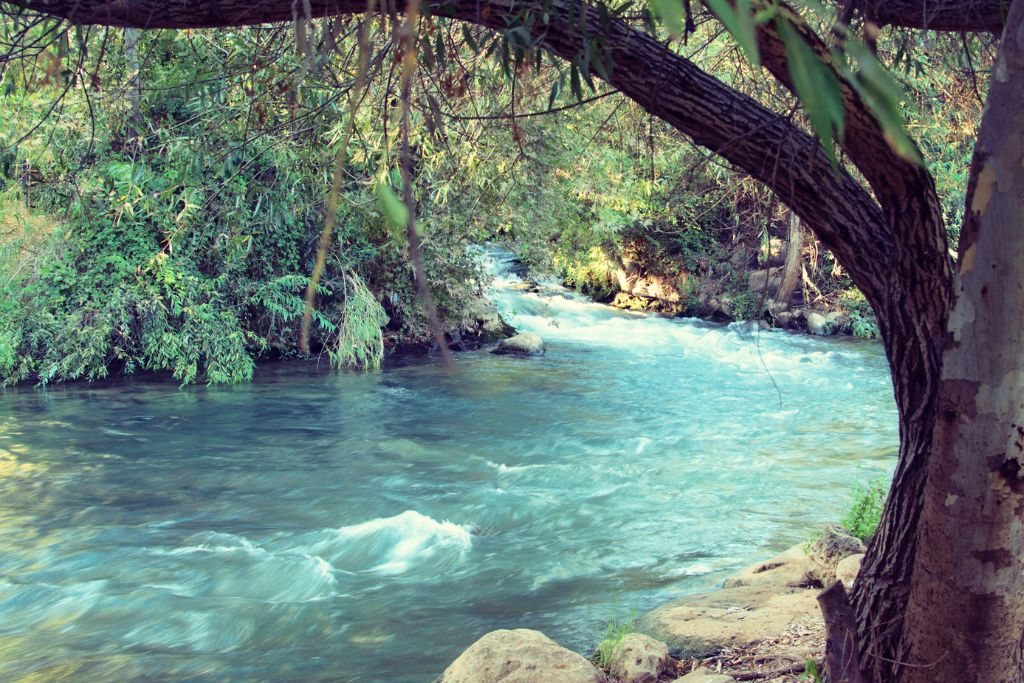
When planning a trip to Jordan, one of the most common questions is: “How is the weather in Jordan?” Understanding Jordan’s climate is essential for planning your activities, packing appropriately, and making the most of your visit. From the deserts of Wadi Rum to the mountains of Amman, the weather varies significantly across the country. In this guide, we’ll break down Jordan’s climate, seasonal weather patterns, and tips for traveling comfortably year-round.
Understanding Jordan’s Climate
Jordan has a semi-arid climate with distinct variations depending on the region. Answering “how the weather is in Jordan” depends on where you plan to visit:
- Northern Highlands (Amman, Jerash, Ajloun): Cooler temperatures, with occasional snow in winter and mild summers.
- Central and Southern Desert Regions (Petra, Wadi Rum): Hot summers, cool nights, and dry conditions.
- Dead Sea and Aqaba: Warm all year round, with mild winters and extremely hot summers.
Knowing regional differences helps you plan your trip and decide what to pack, where to go, and which activities to enjoy.
Seasonal Weather in Jordan
When answering “how the weather is in Jordan”, it’s important to consider the four main seasons:
Spring (March – May)
Spring is considered one of the best times to visit Jordan.
- Temperatures range from 15°C to 30°C (59°F – 86°F).
- Landscapes bloom with colorful flowers and green valleys.
- Ideal for hiking, desert tours, and sightseeing without extreme heat.
Summer (June – August)
Summer in Jordan can be very hot, especially in southern deserts.
- Daytime temperatures in Wadi Rum and Petra often reach 40°C (104°F).
- Coastal areas like Aqaba are perfect for beach activities.
- Travel in the morning or evening is recommended to avoid the midday heat.
Autumn (September – November)
Autumn is another ideal season for visiting Jordan.
- Temperatures are comfortable, ranging from 20°C to 30°C (68°F – 86°F).
- Clear skies and fewer tourists make it perfect for cultural exploration and photography.
- Desert camping and Petra visits are especially enjoyable.
Winter (December – February)
Winter is cooler, especially in the north.
- Amman and northern areas can experience snow and frost.
- Southern deserts remain relatively mild, making Dead Sea and Aqaba ideal destinations.
- Bring warm clothing for nights in the mountains or desert.
Regional Weather Details
Understanding how the weather is in Jordan requires looking at specific regions:
- Amman: Cool winters with rain and occasional snow; hot summers with dry conditions.
- Petra: Hot summers and mild spring/fall; evenings can be cool.
- Wadi Rum: Extremely hot during the day in summer; very cold nights in winter.
- Dead Sea: Warm year-round; perfect for floating, even in winter.
- Aqaba: Hot summers, mild winters; ideal for snorkeling and beach activities.
This knowledge helps travelers schedule outdoor activities and plan their clothing accordingly.
Tips for Traveling in Jordan by Weather
To make your trip comfortable, consider these tips:
- Check daily forecasts for desert excursions; temperature swings can be significant.
- Pack layers for mornings and evenings, especially in spring, autumn, and winter.
- Bring sun protection: hat, sunglasses, sunscreen, and long-sleeved clothing.
- Stay hydrated, particularly in desert regions where temperatures soar.
- Winter visitors should pack warm jackets and waterproof shoes for northern regions.
These strategies ensure you enjoy your trip regardless of how the weather is in Jordan.
How Weather Affects Tourist Activities
Understanding how the weather is in Jordan can help you choose the right activities:
- Petra: Best explored in spring or autumn to avoid extreme heat.
- Wadi Rum: Desert camping is pleasant in spring and autumn; summer requires early morning or evening visits.
- Dead Sea: Floating is comfortable year-round, but spring and autumn are ideal.
- Hiking in Dana Reserve: Mild spring and autumn weather makes trekking enjoyable.
- City tours in Amman and Jerash: Most enjoyable in spring, autumn, and early winter when temperatures are moderate.
By aligning activities with seasonal weather, travelers can maximize comfort and safety.
Special Considerations for Desert Weather
Jordan’s deserts have extreme conditions. When answering “how the weather is in Jordan”, travelers should be aware of:
- Daytime heat: Temperatures can exceed 40°C in summer.
- Nighttime cold: Desert nights can drop significantly, even in summer.
- Sandstorms: Occasionally occur, particularly in spring.
Proper preparation—light clothing for daytime, warm layers for evening, and eye protection—ensures safe and enjoyable desert experiences.
Rainfall and Humidity
Rain is infrequent in Jordan but mainly occurs during winter months (December to February).
- Northern regions: Receive more rainfall; may experience snow in highlands.
- Central and southern deserts: Very dry year-round.
- Dead Sea and Aqaba: Low rainfall; comfortable for outdoor activities even in winter.
Humidity is generally low, especially in desert regions, making Jordan’s climate pleasant for most travelers when prepared for sun and wind exposure.
Packing Based on Weather
Knowing how the weather is in Jordan helps you pack effectively:
- Spring/Autumn: Lightweight layers, hiking shoes, scarf or shawl for sun protection.
- Summer: Breathable fabrics, sun protection, lots of water, light shoes.
- Winter: Warm jackets, long pants, sweaters, waterproof shoes.
- Desert trips: Hat, scarf, layers for both hot days and cool nights, sunscreen.
Packing smart ensures comfort across Jordan’s diverse landscapes and climate conditions.
External and Internal Resources
For official weather forecasts and seasonal advice, visit the Jordan Meteorological Department for reliable information.
For planning tours based on seasonal weather, see our internal guides: Jordan Adventure Tours and Jordan Cultural Experiences.
Conclusion: How the Weather is in Jordan
In summary, the weather in Jordan varies significantly depending on the season and region. Spring (March–May) and autumn (September–November) are generally the most comfortable times to visit. Summers are extremely hot in southern deserts, while winters are cool and sometimes snowy in northern regions.
By understanding seasonal patterns, regional differences, and packing accordingly, travelers can enjoy Petra, Wadi Rum, Dead Sea, and Jordan’s rich culture comfortably and safely. Knowing how the weather is in Jordan allows you to plan activities, dress appropriately, and make the most of your unforgettable journey.
